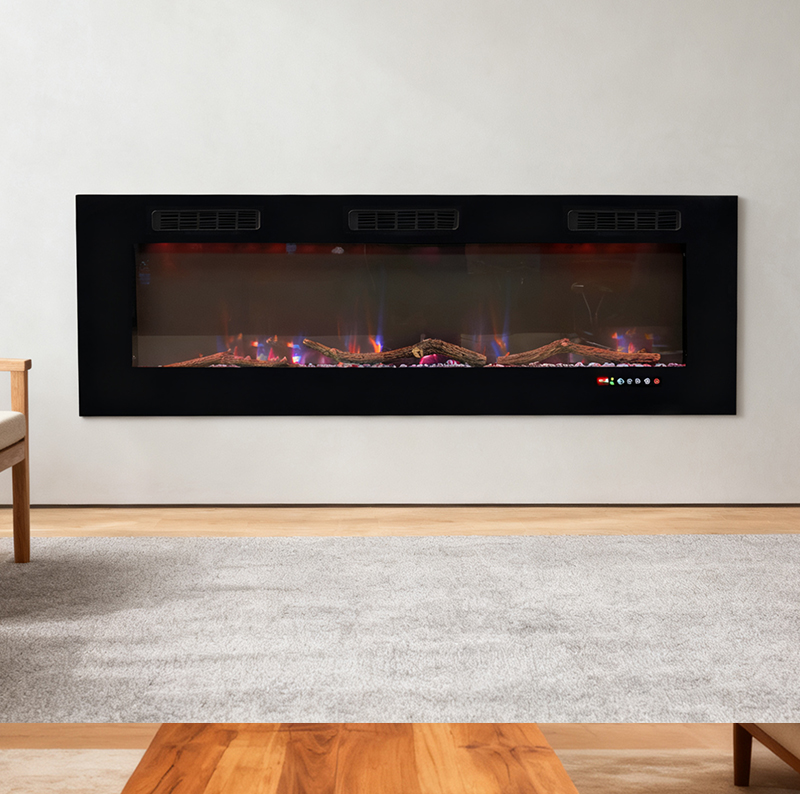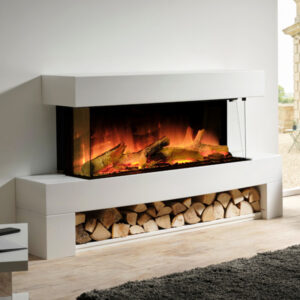
In recent years, wall mounted electric fireplaces have gained significant traction across commercial and residential sectors worldwide. As markets in the Middle East, Southeast Asia, and Europe continue to evolve, understanding whether these units are “worth it” requires a nuanced view of regional usage habits, design preferences, and practical application. From a B2B perspective, the value proposition of wall mounted electric fireplaces extends beyond aesthetics to encompass energy efficiency, installation flexibility, and market-specific demand trends.
First and foremost, wall mounted electric fireplaces offer installation versatility. Unlike traditional wood or gas units that demand substantial structural modifications, wall mounted models require minimal installation effort—often limited to electrical wiring and surface mounting. This flexibility is particularly appealing in Southeast Asian markets, where high-rise apartments and condominiums dominate real estate development. Developers and interior designers value solutions that enhance ambiance without compromising space utility or building codes.
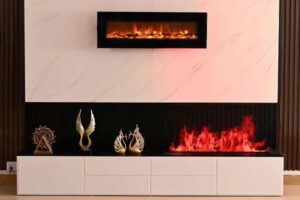
In the Middle East, consumer expectations lean toward luxury and sophistication. Here, wall mounted electric fireplaces are increasingly integrated into high-end residential and hospitality projects as a design focal point. With advanced LED flame effects and customizable heating settings, these fireplaces deliver visual impact without the ventilation requirements of fuel-based alternatives. In regions where temperature extremes are common, the ability to switch between decorative mode and functional heating enhances year-round utility—an attribute that resonates with both consumers and property developers.
European markets present yet another dimension. Across Western and Northern Europe, there is rising demand for energy-efficient heating solutions that align with sustainability goals and stringent building regulations. Wall mounted electric fireplaces, when paired with smart thermostats and zoned heating strategies, can contribute to reduced energy consumption and lower operational costs. For industrial and commercial clients, such as boutique hotels or co-working spaces, the integration of electric fireplaces supports both regulatory compliance and brand differentiation.
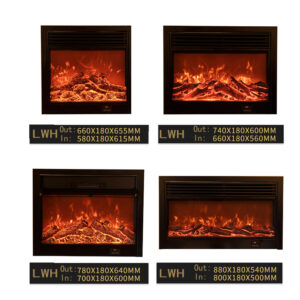
From a B2B sales and distribution standpoint, wall mounted electric fireplaces also offer operational advantages. Their relatively low shipping weight and compact packaging reduce logistics costs—a key consideration for distributors serving diverse geographic markets. Additionally, manufacturers can provide modular features such as remote control, mobile app integration, and multiple flame effect options to meet varied customer preferences across regions.
That said, the decision to invest in wall mounted electric fireplaces should be grounded in market research and customer insights. In markets where traditional heating methods are deeply entrenched, education and targeted marketing may be required to shift perceptions. Furthermore, careful attention to product quality, certifications (CE, SASO, etc.), and after-sales support enhances customer confidence and long-term adoption.
In conclusion, wall mounted electric fireplaces are indeed worth considering for B2B players targeting the Middle East, Southeast Asia, and Europe. Their blend of design flexibility, functional performance, and market adaptability positions them as compelling solutions in contemporary interior environments. With the right positioning and product strategy, they can unlock new opportunities in both residential and commercial segments.