In the competitive landscape of commercial interior design and facility management, electric fireplaces offer an unparalleled combination of elegance, safety, and energy efficiency. Professionals across industries frequently seek detailed insights into their operation to ensure seamless integration into projects. One critical aspect that often prompts questions is: Where does the heat come out of an electric fireplace? Addressing this query is essential for optimizing placement, enhancing performance, and adhering to building codes in B2B environments such as corporate headquarters, luxury hotels, upscale restaurants, and retail showrooms.
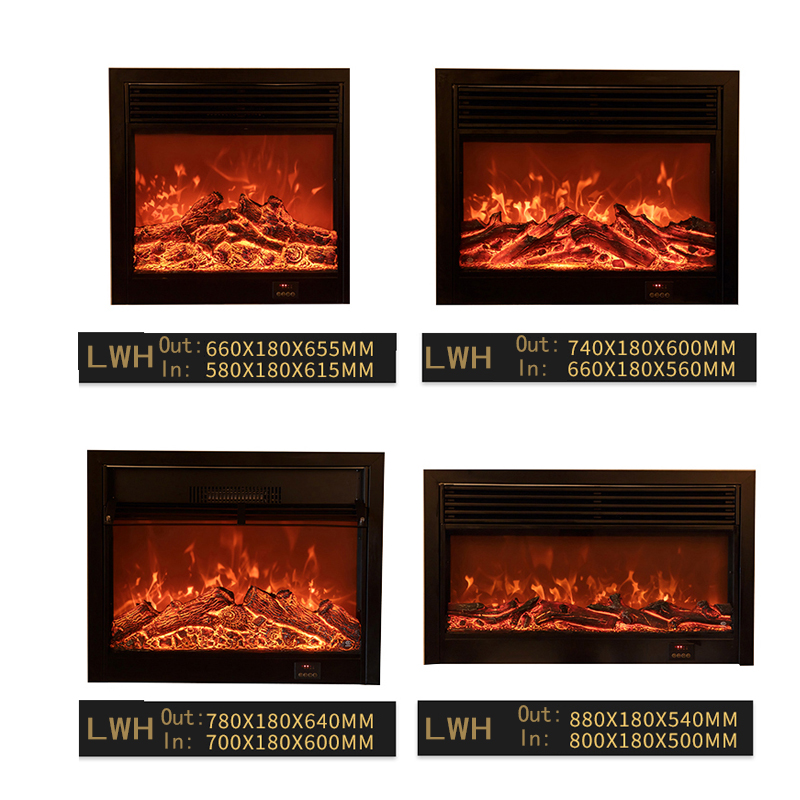
Electric fireplaces utilize innovative technology to generate and distribute heat without the hazards associated with open flames or gas lines. The process begins with an electric heating element, commonly made of durable ceramic or infrared quartz tubes, which converts electricity into thermal energy. A powerful yet whisper-quiet blower fan then circulates room air over this element, heating it before directing the warmed air outward. The primary exit point for this heat in most standard and premium models is the top vent system. Positioned strategically above the flame-effect display, these vents allow the heated air to rise and circulate throughout the space via convection currents. This design not only accelerates heating times but also prevents localized overheating, delivering consistent warmth across large areas.
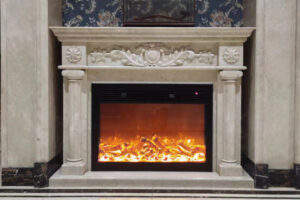
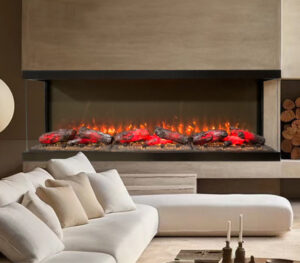
Variations in design cater to diverse commercial needs. For freestanding units, heat may also emerge from front or bottom vents to provide floor-level warmth, perfect for lobby areas or waiting rooms. Insert and wall-mounted fireplaces, designed for built-in applications, typically focus output through the upper front section to replicate the authentic feel of traditional fireplaces while ensuring unobstructed heat flow. In contrast, some contemporary infrared models emphasize radiant heat emission from the front panel, warming surfaces and occupants directly with minimal air movement—an ideal choice for allergy-sensitive or draft-averse settings like offices and spas.
This vent configuration yields multiple advantages for B2B procurement and installation. Safety remains a top priority, as the cool-touch exterior surfaces comply with UL, ETL, and CSA certifications, reducing liability concerns in public-accessible spaces. Energy efficiency is maximized through precise heat direction, with many units offering zone heating capabilities that can lower overall utility bills by up to 30% compared to central systems. Installation flexibility is enhanced too, requiring no chimneys or venting infrastructure, which streamlines project timelines for contractors and developers.
Furthermore, advanced features such as remote-controlled fan speeds and programmable thermostats allow fine-tuning of heat expulsion, ensuring the output from top vents aligns perfectly with room-specific requirements. Whether you are specifying equipment for a new build or upgrading existing facilities, these technical details empower data-driven choices that elevate client experiences.
Ultimately, comprehending the heat output dynamics of electric fireplaces highlights their superiority as a modern heating solution. By selecting products with expertly engineered vent systems, businesses can achieve superior comfort, reduced operational costs, and stunning visual appeal. Our extensive lineup of commercial electric fireplaces is crafted to deliver exceptional results in any professional setting. We invite you to contact our experts for personalized consultations and to learn more about integrating these innovative appliances into your next project.