In today’s global heating and interior design market, fireplaces have evolved far beyond traditional wood-burning units. For distributors, importers, and project developers, understanding the main categories of fireplaces is essential for selecting the right product mix and meeting diverse customer demands. Broadly speaking, fireplaces can be classified into four primary types: wood-burning, gas, electric, and ethanol fireplaces.
1. Wood-Burning Fireplaces
Wood-burning fireplaces are the most traditional and recognizable type. They use firewood as fuel, creating an authentic flame, crackling sound, and natural ambiance that many consumers still prefer. These units are typically installed in residential homes with chimneys and require proper ventilation systems. While they offer unmatched aesthetic appeal, they also involve higher maintenance, including ash cleaning and chimney inspections. From a B2B perspective, they are more suitable for markets where traditional heating solutions remain popular and building infrastructure supports chimney installation.
2. Gas Fireplaces
Gas fireplaces operate using natural gas or propane, offering a cleaner and more convenient alternative to wood-burning units. They provide real flames with adjustable heat output and can be controlled via remote or wall switches. Installation requires a gas line connection, making them ideal for modern residential and commercial projects. Gas fireplaces are widely adopted in developed markets due to their balance between realism and efficiency. For importers and developers, they represent a strong mid-to-high-end product segment.
3. Electric Fireplaces
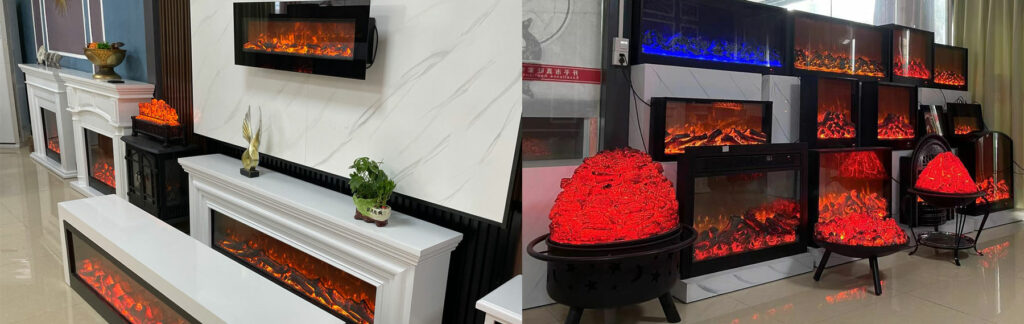
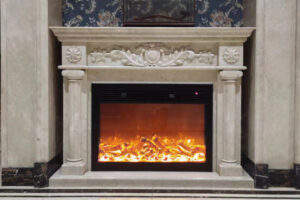
Electric fireplaces have become increasingly popular due to their ease of use, safety, and design flexibility. These units use LED technology to simulate realistic flame effects without actual combustion. They require no chimney or ventilation, making them highly adaptable for apartments, hotels, offices, and retail environments. Key advantages include low installation costs, minimal maintenance, and features such as adjustable flame color, brightness, and heating functions. For B2B buyers, electric fireplaces are particularly attractive due to low MOQ, fast delivery, and compliance with international certifications such as CE, making them ideal for export and large-scale distribution.
4. Ethanol Fireplaces
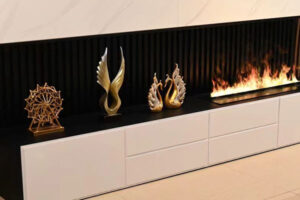
Ethanol fireplaces use bio-ethanol fuel, producing real flames without smoke, ash, or the need for a chimney. They are often designed with a modern, minimalist aesthetic and are popular in high-end interior design projects. While they offer flexibility in installation and a clean-burning experience, their heat output is generally lower compared to gas or wood-burning units. These fireplaces are best positioned as decorative or supplementary heating solutions in premium markets.
Conclusion
Each type of fireplace serves different market needs and application scenarios. For B2B stakeholders, selecting the right category depends on factors such as installation requirements, target customer preferences, regulatory standards, and price positioning. Among these options, electric fireplaces stand out as the most versatile and scalable solution in today’s international market, especially for businesses seeking efficient, customizable, and certification-ready products.