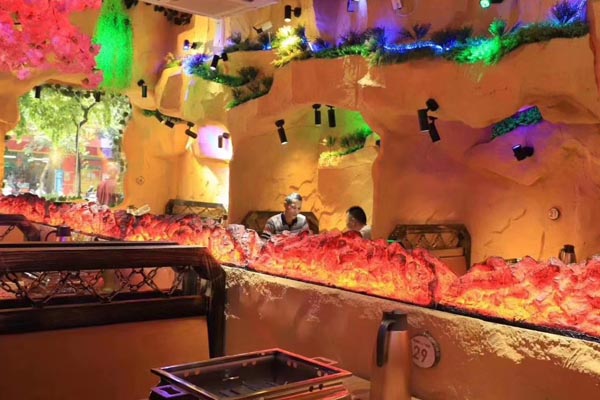
Traditionally, fireplaces in bedrooms symbolized warmth, comfort, and a premium lifestyle. However, changing living habits, stricter building regulations, and evolving aesthetic preferences have led developers, hoteliers, and homeowners to reconsider traditional wood- or gas-burning fireplaces—especially in private spaces like bedrooms. Today, a range of modern alternatives offers similar ambience with greater safety, efficiency, and design flexibility. Among these, electric fireplaces stand out as the most practical solution across global markets.
1. Traditional Heating Systems with Decorative Elements
In many European markets, radiators or underfloor heating systems are standard in bedrooms due to strict fire safety and energy regulations. While efficient, these systems lack visual appeal. To compensate, designers often add decorative wall panels, feature lighting, or textured finishes. However, these elements provide no focal point or emotional warmth, limiting their value in hospitality or high-end residential projects.
2. Gas Fireplaces (Limited Bedroom Use)
Gas fireplaces are still used in certain European regions, but their installation in bedrooms is increasingly restricted. Venting requirements, carbon monoxide risks, and maintenance costs make them less suitable for compact or high-density housing. In the Middle East, gas availability varies by country, and in Southeast Asia, gas fireplaces are rarely adopted due to climate and infrastructure constraints.
3. Ethanol Fireplaces
Ethanol fireplaces are sometimes marketed as a “chimney-free” alternative. While visually appealing, they still involve real flames, fuel storage, and ventilation considerations. For bedrooms, especially in hotels or apartments, many developers view ethanol units as a safety and compliance risk, particularly in Europe and parts of the Middle East with strict fire codes.
4. LED Lighting and Ambient Features
In Southeast Asia and the Middle East—where heating demand is minimal—bedroom “fireplace alternatives” often focus purely on ambience. Cove lighting, LED flame effects, or decorative wall features are common. These solutions are cost-effective but lack realism and differentiation, offering limited value for premium positioning.
5. Electric Fireplaces: The Preferred Modern Alternative
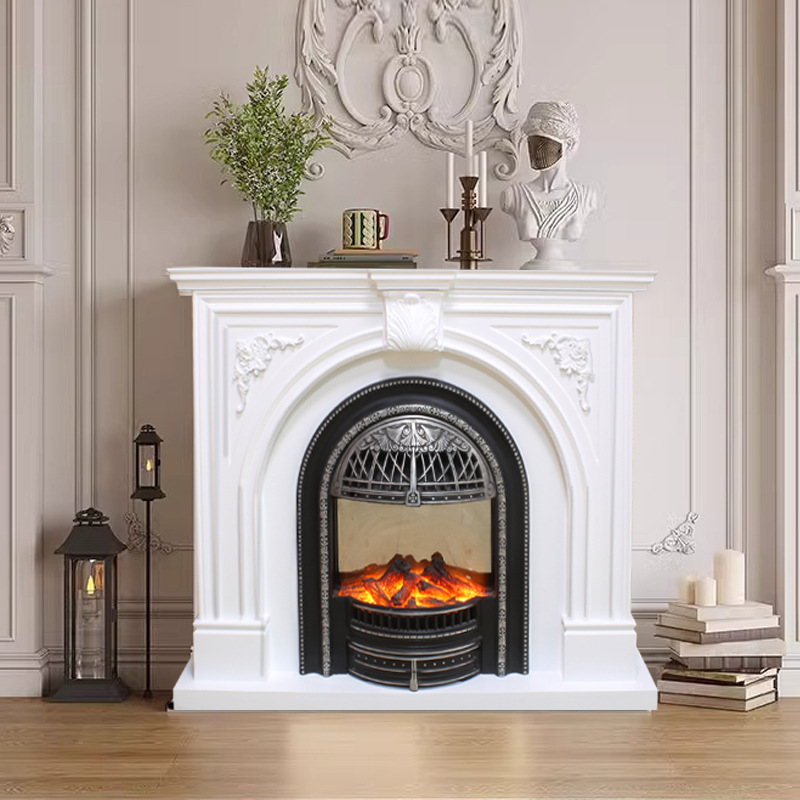
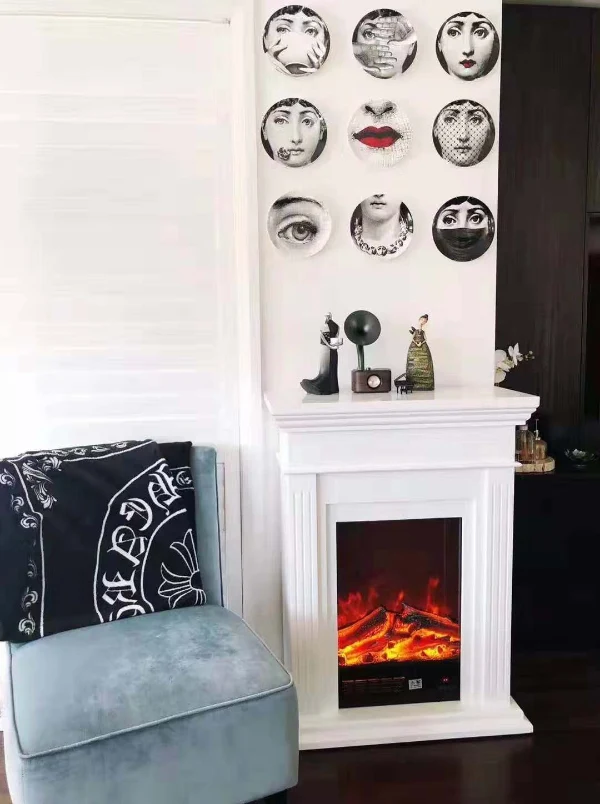
Electric fireplaces have emerged as the most versatile and widely accepted alternative for bedroom applications across Europe, Southeast Asia, and the Middle East. They deliver realistic flame visuals without real fire, emissions, or complex installation.
For Europe, electric fireplaces comply easily with safety, energy efficiency, and building standards, making them ideal for apartments and hotels. In Southeast Asia, they function primarily as decorative features—enhancing interior design without adding unwanted heat. In the Middle East, electric fireplaces support luxury aesthetics in villas, serviced apartments, and hospitality projects while remaining safe for year-round use.
Key advantages include zero emissions, no chimney or gas connection, low maintenance, and flexible installation options such as wall-mounted, recessed, or built-in designs. Advanced LED technology allows adjustable flame colors, brightness, and even smart control, meeting the expectations of modern consumers and commercial buyers alike.
Conclusion
As traditional bedroom fireplaces decline, electric fireplaces offer the optimal balance of safety, design, and functionality. For B2B buyers seeking scalable, compliant, and visually impactful solutions across diverse markets, electric fireplaces are no longer just an alternative—they are the new standard.