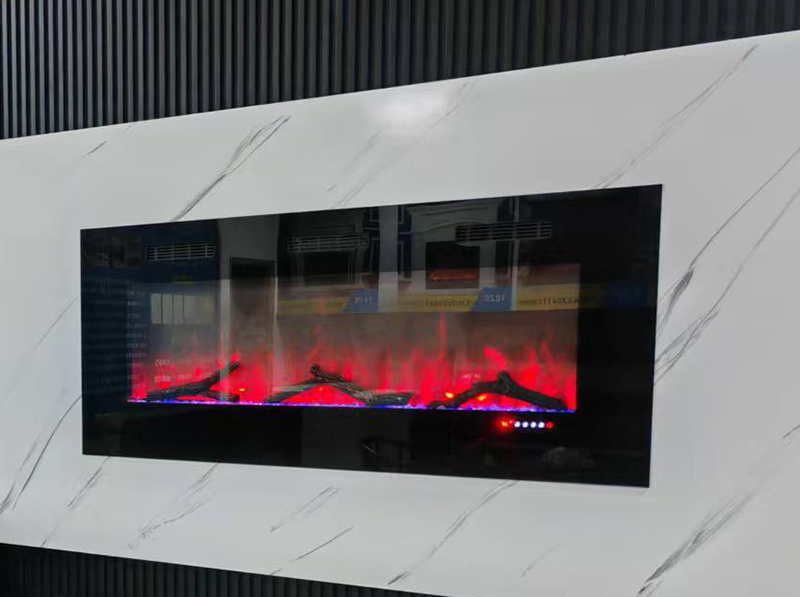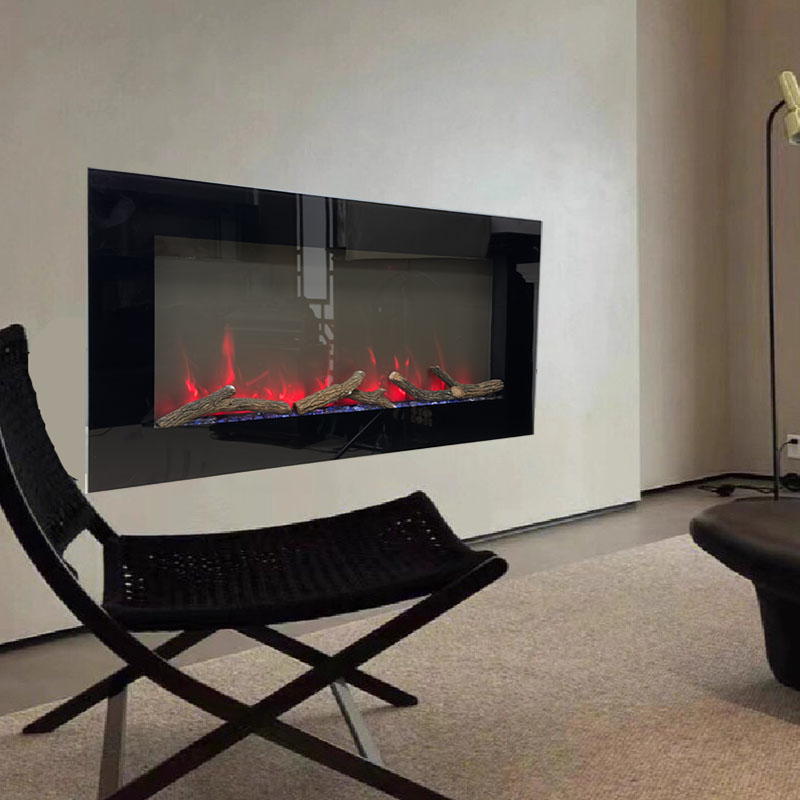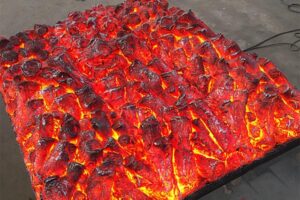
Built-in electric fireplaces have become a popular heating and decorative solution globally, thanks to their safety, energy efficiency, and aesthetic appeal. Mastering their proper usage not only ensures optimal performance but also aligns with regional usage habits, which is crucial for B2B partners targeting markets in the Middle East, Southeast Asia, and Europe. This guide details standard operation procedures and market-specific considerations.
First, the basic usage steps apply universally. Before use, confirm the fireplace is correctly installed by professionals, with all wiring compliant with local electrical standards. Connect it to a dedicated power supply and turn on the main switch. Most models feature a control panel or remote control, allowing users to adjust power, temperature, flame effect, and timer settings. For heating mode, select the desired temperature (usually 18-38℃) and fan speed; the flame effect can be used independently without heating for decorative purposes. After use, turn off the heating function first, let the unit cool down for 5-10 minutes, then switch off the main power to ensure safety.
Regional usage habits demand targeted adjustments. In the Middle East, where temperatures are high year-round, the fireplace is primarily used for decoration. Partners should emphasize the flame effect’s customization—such as color and brightness adjustments—to cater to local interior design preferences for luxury and warmth. Ensure the product is dust-proof, as dry weather increases dust accumulation, which may affect performance.
Southeast Asia’s tropical climate limits heating needs, so the fireplace is a decorative focal point for high-end residences and hotels. Users often pair it with air conditioning, so energy-saving features (e.g., low-power flame mode) are key. High humidity in regions like Thailand and Malaysia requires the fireplace to have moisture-proof components to prevent circuit damage. Promote its easy maintenance to align with local preferences for hassle-free products.
In Europe, where winter is cold and long, heating functionality is paramount. Users value consistent temperature output and energy efficiency—highlight models with EU energy labels (A+++) and programmable timers for overnight use. European interiors favor minimalist designs, so sleek, embedded models that blend with stone or wood decor are preferred. Ensure compliance with CE certification and local safety standards for indoor heating appliances.
In summary, proper use of built-in electric fireplaces combines standard operations with regional adaptability. For B2B partners, understanding these market-specific habits enables better product positioning and customer support, enhancing competitiveness in global markets.