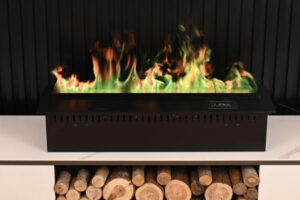
Electric fireplace inserts offer a modern, efficient alternative to traditional fireplaces, transforming unused hearths into cozy, energy-saving focal points. These units slide into existing fireplaces, providing realistic flame effects and supplemental heat without the need for venting or chimney maintenance. As demand grows globally, understanding key factors before purchase is essential, especially for B2B partners targeting diverse markets like the Middle East, Southeast Asia, and Europe. This guide highlights critical considerations, including size, features, installation, and regional usage habits, to inform procurement and marketing strategies.
First, assess compatibility and sizing. Inserts typically range from 23 to 36 inches wide, designed to fit standard fireplace openings. Measure the hearth precisely to ensure a seamless fit, avoiding gaps that could compromise aesthetics or efficiency. Heat output is another priority: most models deliver around 5,000 BTUs (equivalent to 1,500 watts), sufficient for rooms up to 400 square feet. For energy-conscious buyers, look for units with adjustable thermostats, timers, and eco-modes to optimize electricity use and reduce costs.
Installation simplicity is a major selling point. Unlike gas or wood options, electric inserts require only a standard outlet, making them ideal for retrofits in apartments or commercial spaces. Safety features, such as automatic shut-off and cool-to-touch exteriors, enhance appeal for family-oriented or hospitality applications. Advanced models include remote controls, multi-color flames, and app integration for smart home compatibility.
Regional habits influence product selection and positioning. In the Middle East, where climates are arid and hot, inserts are favored for luxurious decor rather than primary heating. The market, valued at $45 million in 2024 with a 3.7% CAGR, sees strong demand in GCC countries for upscale, aesthetic units in urban residences. Emphasize premium finishes and low-energy modes to align with affluent consumers seeking ambiance without high utility bills.
Southeast Asia’s rapidly urbanizing markets, with a 6.0% CAGR in the Asia-Pacific region, prioritize space-saving designs like wall-mounted inserts for micro-apartments and rentals. Here, usage focuses on modern aesthetics and minimal heat output, driven by tropical climates and rising middle-class incomes.
In Europe, with a market projected at $713 million in 2026 and 4.94% CAGR, inserts support decarbonization goals through efficient, vent-free heating. Residential applications dominate, especially in chimney-less urban homes in Germany and the UK, where smart integration and energy standards like ESPR compliance are key. Focus on realistic LED flames and connectivity for commercial sectors like hotels.
Ultimately, selecting an electric fireplace insert demands balancing functionality, efficiency, and market-specific needs. For B2B success, partner with suppliers offering customized options to meet global demands, ensuring products deliver value in aesthetics, safety, and sustainability.