Across global residential and commercial markets, traditional fireplaces are increasingly being removed or replaced. This shift is not driven by aesthetics alone, but by practical, regulatory, and lifestyle considerations that vary by region. In the Middle East, Southeast Asia, and Europe—three key markets with very different usage habits—the trend reveals a common conclusion: conventional fireplaces no longer align with modern building needs, while electric fireplaces are emerging as a preferred alternative.
1. Maintenance, Safety, and Compliance Challenges
Traditional wood- or gas-burning fireplaces require regular maintenance, including chimney cleaning, ventilation inspections, and fuel management. In Europe, stricter environmental regulations and carbon-reduction policies have accelerated the decline of wood-burning fireplaces, especially in urban areas. Emission limits, safety compliance, and insurance constraints have made traditional systems costly to maintain.
In the Middle East and Southeast Asia, fireplaces have never been a functional necessity due to warm climates. Where they exist, they are primarily decorative. However, gas lines, open flames, and heat output raise safety concerns in hotels, shopping malls, and high-rise residential projects. As a result, developers increasingly choose to remove traditional fireplaces during renovations.
2. Space Efficiency and Interior Design Trends
Modern architecture emphasizes clean lines, flexible layouts, and space efficiency. Traditional fireplaces are fixed structures that limit design freedom. In Southeast Asia, where apartment sizes are often compact, developers prioritize multi-functional spaces and minimalistic interiors. Bulky chimneys and hearths are seen as inefficient use of space.
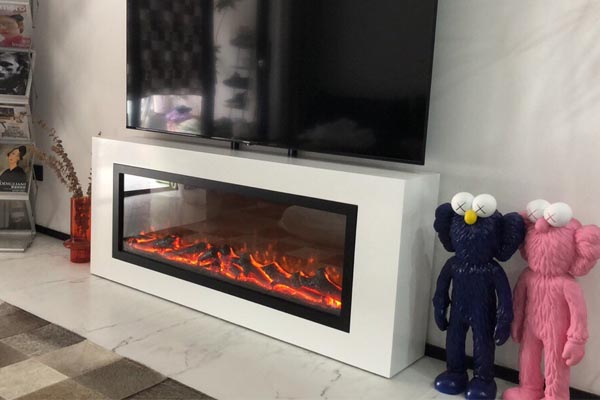
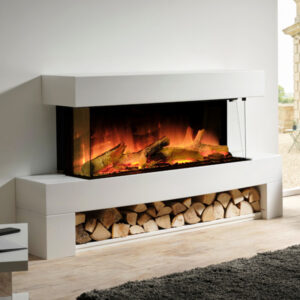
Electric fireplaces, by contrast, offer wall-mounted, built-in, or freestanding designs with slim profiles. They integrate seamlessly into contemporary interiors, making them attractive to architects and interior designers across all three regions.
3. Energy Consumption and Operational Costs
Rising energy awareness has influenced purchasing decisions globally. Traditional fireplaces are inefficient heat sources, with significant energy loss. In Europe, this inefficiency conflicts with energy-performance building standards. In the Middle East, unnecessary heat generation increases cooling loads, driving up operational costs.
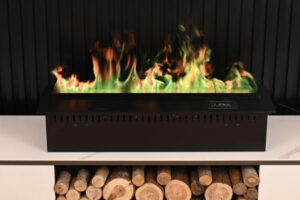
Electric fireplaces provide controlled energy consumption, with adjustable flame effects and optional heating functions. Many models are designed primarily for ambiance, allowing users to enjoy visual warmth without actual heat—an ideal solution for warm climates.
4. Why Electric Fireplaces Are Replacing Traditional Ones
Electric fireplaces address the core reasons people are removing traditional systems. They require no chimney, no fuel storage, and no combustion, making them safe, clean, and easy to install. From a B2B perspective, they offer clear advantages: faster installation, lower project risk, and simplified compliance with local regulations.
For hotels, real estate developers, and commercial projects in the Middle East, Southeast Asia, and Europe, electric fireplaces deliver consistent visual appeal, low maintenance, and design flexibility. They align with modern sustainability goals while enhancing interior value.
Conclusion
People are not abandoning fireplaces—they are redefining them. As traditional fireplaces become impractical, electric fireplaces are stepping in as a smarter, safer, and more adaptable solution for today’s global markets.