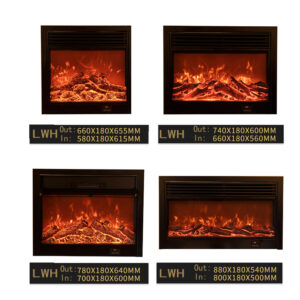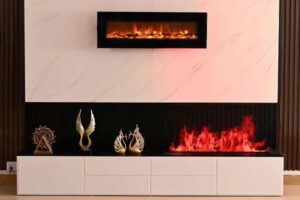
Electric fireplaces have become a popular choice for adding warmth and ambiance to homes worldwide, thanks to their convenience, safety, and energy efficiency. Unlike traditional wood-burning or gas fireplaces, they don’t require venting, fuel storage, or complex installation—making them particularly adaptable to diverse climates and living conditions, including those in the Middle East and Southeast Asia. But how exactly do these modern heating appliances operate? Let’s break down their core mechanics, then explore how regional habits shape their use in these two distinct parts of the world.
At their heart, electric fireplaces rely on two key components: a heating element and a flame effect generator. The heating system typically uses a ceramic PTC (Positive Temperature Coefficient) heater or a metal coil. When turned on, electricity flows through the heating element, which rapidly heats up. A built-in fan then circulates the warm air into the room, creating a consistent, gentle heat. Most models offer adjustable temperature settings, allowing users to control the warmth output—from a subtle boost to full heating mode.
The realistic flame effect, a major draw for many users, is created through optical illusions. Early models used incandescent bulbs shining on rotating plastic logs or silk flames, but modern versions often employ LED lights and reflective materials. LEDs cast light onto a rotating prism or a screen printed with flame patterns, while a small fan mimics the movement of real flames. Importantly, this flame effect can be used independently of the heater, making electric fireplaces versatile year-round.
Now, let’s turn to regional usage habits. In the Middle East, where daytime temperatures soar but nights can turn cool—especially in desert areas and during winter—electric fireplaces are valued for their targeted heating. They’re often used in living rooms or bedrooms to add a cozy touch without the hassle of traditional fireplaces, which are impractical in arid climates. Additionally, the flame effect is popular for aesthetic purposes, complementing the luxurious interior design common in many Middle Eastern homes, even when heating isn’t needed.
In Southeast Asia, the climate is predominantly tropical, with high humidity and warm temperatures year-round—so heating needs are minimal. Here, electric fireplaces are rarely used for warmth. Instead, they’re embraced as decorative elements, particularly in hotels, restaurants, and upscale homes. The soft, flickering flame effect creates a cozy, inviting atmosphere, a welcome contrast to the hot, humid outdoors. Many Southeast Asian users opt for compact, wall-mounted models that blend seamlessly with modern decor, using the flame function as a mood enhancer rather than a heating appliance.
In conclusion, electric fireplaces work by combining simple heating technology with clever optical effects to deliver warmth and ambiance. Their adaptability makes them suitable for diverse regions: in the Middle East, they bridge the gap between hot days and cool nights, while in Southeast Asia, they serve as a decorative focal point. Whether for heating or aesthetics, these appliances continue to gain popularity for their ease of use and versatility.